
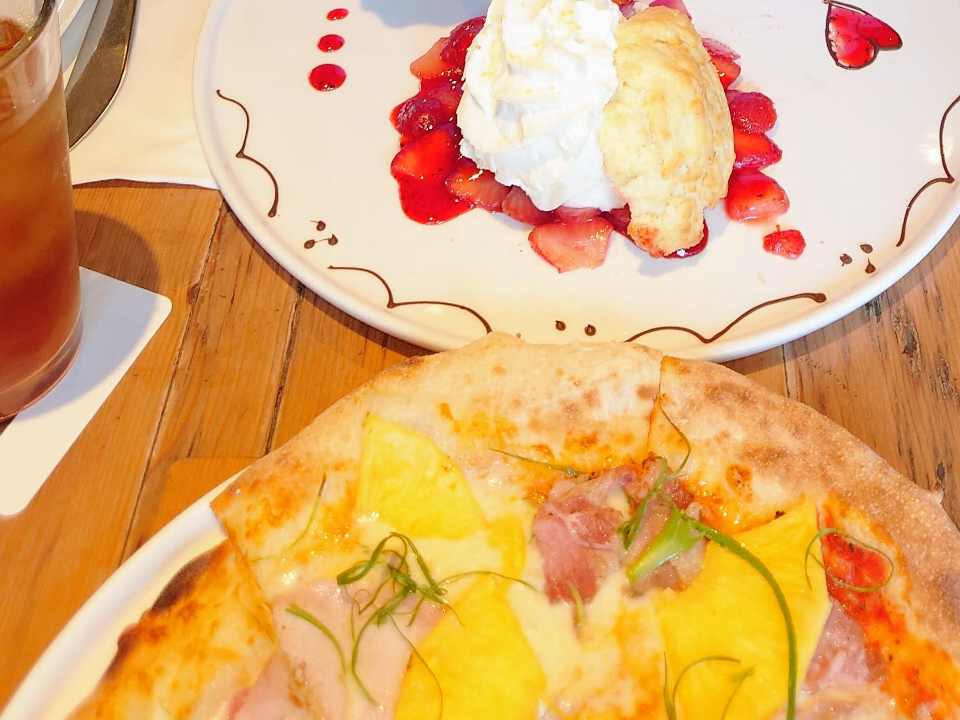
The setting is a quiet cafe we stopped by after the Winter Comiket after-party, just far enough away from the bustle of the convention center.
I had met her a few years ago on social media. We started talking because of a shared favorite character, and over time became close friends. She was five years younger than me and originally from California.
Popular on social media as well, she was known not only for her beauty but also for her ability to effortlessly deflect even the most suggestive jokes in open chats. I, too, had been on the receiving end of her merciless comebacks more than once.
Now, sitting across from me in the cafe, she still carried traces of the glamour of the event and the lingering aura of her cosplay. Relaxed, she scrolled through her phone.
Her mixed Caucasian heritage gave her cosplay an exotic charm reminiscent of Claude Monet's La Japonaise. Much to my embarrassment, I found myself staring for a moment.
To hide that embarrassment from myself, I fixed my gaze on the translucent trash bag lining a small wastebasket near the counter and spoke up.
"Hey, may I have your time, please?"
"My time? For what?"
"I'm writing a review on translucent trash bags."
"Uh-huh."
She gave me a look that clearly said, What ridiculous thing are you plotting this time?
"In English, isn't the order of modifiers supposed to follow rules about opinion, size, age, shape, color, origin, material, and purpose?"
"You don't know that?"
The trap I had prepared in advance—an OSASCOMP example—was set.
"I do, but I'm not really familiar with the details. For instance,
'You are an easy lovely small western girl with brunette hair in beautiful cosplay kimono.'
Right?"
I asked while looking directly at her.
She froze for a brief moment, then laughed in disbelief.
"Come on! Are you hitting on me?"
I lowered my voice and met her eyes.
"Maybe. Even with all that, you are, by all means, my type."
The tone that had been playful until then changed, just slightly.
For an instant, a light appeared in her eyes that was not teasing but unmistakably sincere, and a faint blush touched her cheeks.
But she was not about to lose.
Clever as ever, she took the very rules of OSASCOMP that I had invoked and forged them into a flawless counterattack.
"Talking about OSASCOMP, huh? Then you also might be described as
'Smart but easy-to-hook aged pale Japanese for my personal use.'
Right?"
A triumphant smile appeared on her face as she reclaimed the initiative.
I quietly raised both hands in surrender, conceding defeat on the chessboard.
But that declaration of defeat triggered something else entirely—the avalanche of feelings that had been piling up inside me for far too long.
"I lost. You know me as if you were my other half. Would you like to spend some more time with me?"
Silence.
Only the cafe's background music continued to play.
For once, she seemed at a loss for words.
In a single instant, our playful exchange had been overturned and transformed into a far larger chessboard—the one called the rest of our lives.
She looked away for a moment, smiling mischievously yet somehow happily, then lowered her gaze to her cup.
Finally, she looked up.
"Well, that time might take a while."
She winked.
(Gosh! The word while is now the most ambiguous word in the English language.)
She looked at me with an expression that was almost affectionate.